
KDAS /DAS: Sealing Principle and Performance Pros and Cons
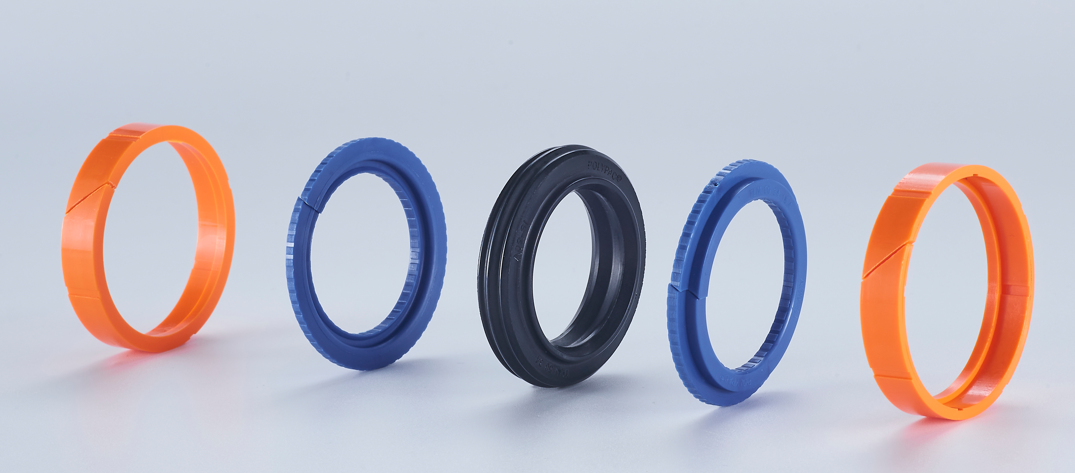
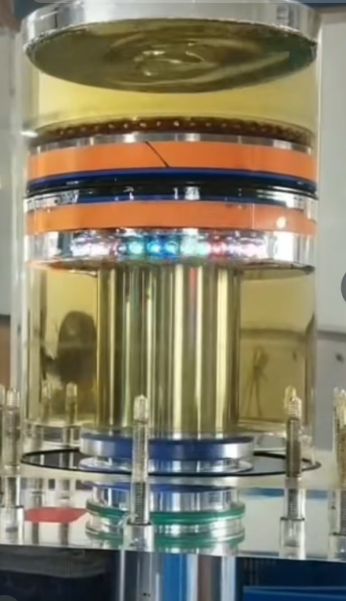
KDAS is a special five piece bidirectional piston combined seal for hydraulic cylinders. It consists of a central elastic main sealing ring, two anti extrusion back up rings and two POM wear resistant guide rings. Integrating sealing, anti extrusion and guiding support functions, it is widely applied to the double acting pistons of engineering machinery, injection molding machines, cranes and other equipment.
Sealing Principle
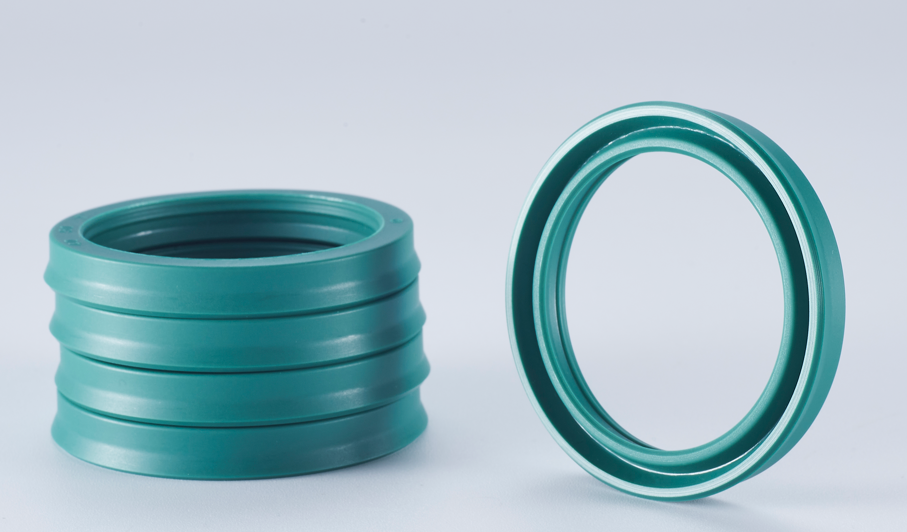
The KDAS is a pressure energized seal. Bidirectional sealing is realized by the multi lip structure of the elastic rubber main sealing ring. After assembly, the rubber ring generates initial radial pre tightening force to closely fit the inner wall of the cylinder bore for basic static sealing. As hydraulic pressure rises, the medium pressure acts on the back of the sealing ring and presses the sealing lips further against the cylinder bore. Higher pressure produces stronger lip contact force, which prevents hydraulic oil from bypassing between both sides of the piston and achieves bidirectional oil sealing performance.
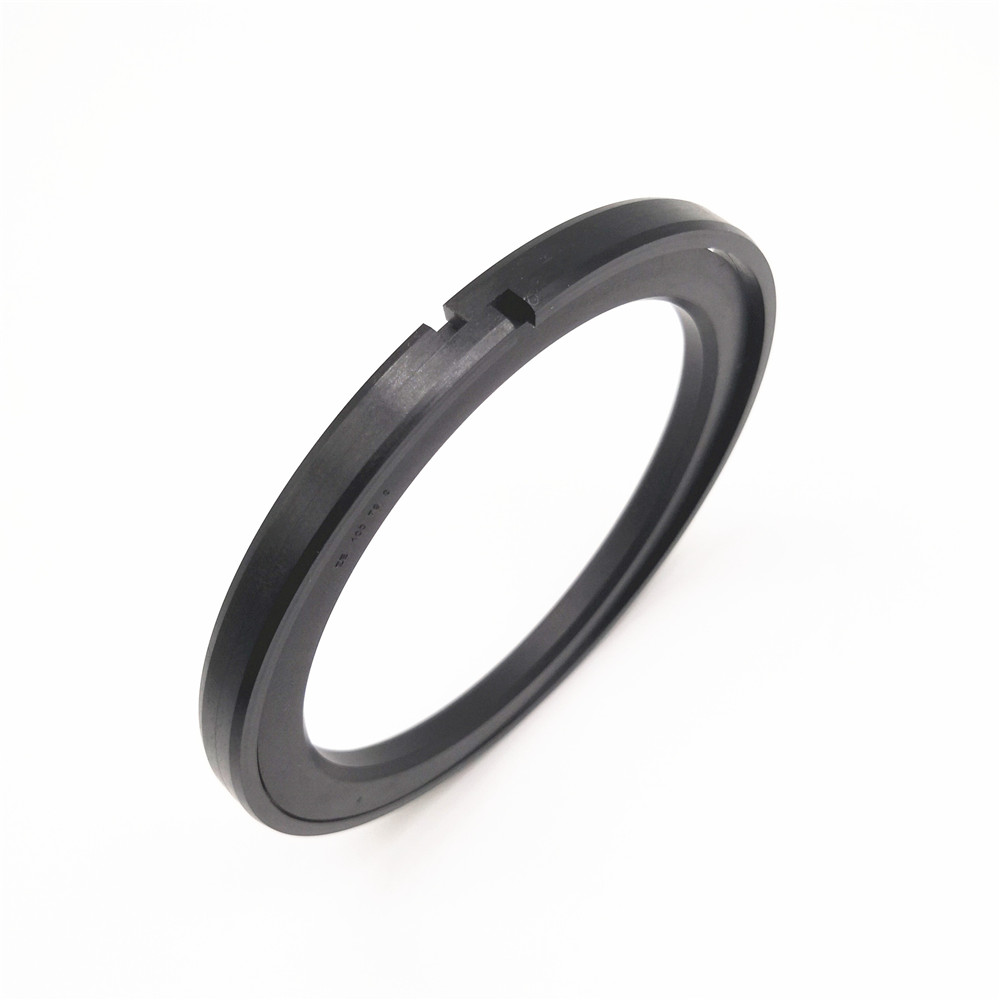
The two back up rings perform the anti extrusion function. Under high pressure, they prevent the rubber body from being squeezed into the clearance between piston and cylinder bore so as to avoid seal damage. The outer POM guide rings bear radial side loads of the piston and avoid direct metal to metal friction between piston and cylinder bore. Axial oil relief grooves are machined on guide rings. During direction change, pressurized oil flows through these grooves to release local trapped pressure and reduce damage caused by pressure shock. The whole assembly fits into one single piston groove and fulfills multiple functions including sealing, pressure resistance and guiding.
Main Advantages
- Reliable bidirectional sealing: One set satisfies reciprocating oil sealing for double acting pistons, delivering good sealing performance under both static and dynamic conditions with low leakage.
- Excellent anti extrusion performance: Back up rings protect the rubber body. It can withstand working pressure up to 25 32 MPa, suitable for medium and high pressure hydraulic systems; the seal is resistant to overturning and twisting.
- High integration: Seals, back up rings and guide rings are assembled in one groove, shortening overall piston length, simplifying piston machining and reducing manufacturing costs.
- Easy assembly: Split cut design for back up rings and guide rings allows installation in both open and closed grooves, facilitating disassembly assembly and mass production.
- Good resistance to shock and pressure fluctuation: Oil relief grooves on guide rings release trapped oil. It tolerates pressure peaks and directional shocks, ideal for heavy duty reciprocating applications.
Disadvantages
- Limited permissible linear speed: The maximum allowable reciprocating speed is around 0.5 m/s. It is not suitable for high speed cylinders, where excessive heat generation and accelerated wear may occur.
- High requirements for groove and cylinder bore surface quality. Excessive roughness of cylinder bore or grooves will shorten service life and may cause premature leakage and wear.
- Multiple components in one set. Correct assembly sequence is critical. Wrong installation order or misaligned split cuts will directly lead to seal failure.
- Moderate high temperature resistance. Standard NBR material works from 30 ℃ to 110 ℃. FKM fluororubber must be adopted for high temperature conditions, which increases cost.
- Limited radial compensation capacity. Severe piston eccentricity or excessive side loads accelerate wear of guide rings and indirectly shorten seal service life.
Summary
Thanks to its high integration, good pressure resistance and convenient installation, the KDAS combined seal is a preferred solution for heavy duty piston sealing under medium and high pressure conditions. However, it is not applicable for high speed working conditions. To achieve optimal performance, high machining accuracy of grooves and cylinder bore as well as correct assembly sequence must be guaranteed.
20% Compound Growth, How a Foshan "Little Giant" Shattered the Monopoly Through Sealing
Types and Applications of Shaft Seals