
Materials and Applications of FKM Dust Seals in Automotive, Hydraulic and Pneumatic Systems
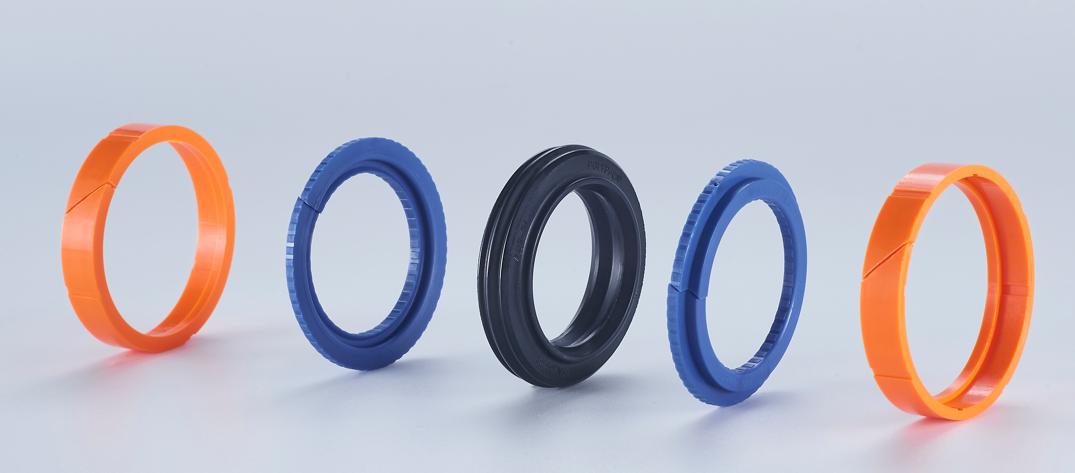
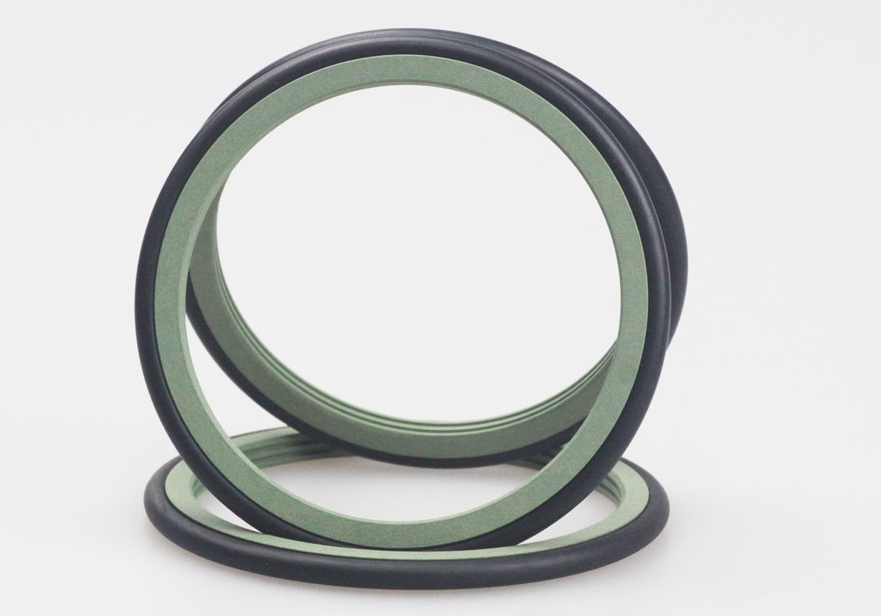
FKM (Fluoroelastomer) dust seals, leveraging the outstanding properties of FKM materials, serve as critical components in the sealing and protection systems of industrial equipment. They safeguard equipment operation and resist external contamination, forming a robust sealing barrier with unique advantages across fields such as machinery manufacturing, automotive, and aerospace to ensure stable equipment performance.
Material Foundation: The Powerful Properties of FKM
The core material of FKM dust seals is FKM, an elastomer polymerized from fluorine-containing monomers. In the molecular structure of FKM, fluorine atoms form strong bonds with carbon atoms, endowing the material with exceptional chemical stability. This special molecular structure enables FKM dust seals to maintain excellent elasticity and sealing form even in high-temperature environments, effectively blocking the intrusion of dust and impurities. Meanwhile,FKM exhibit superior resistance to chemical media—they are not easily eroded, swollen, or embrittled when exposed to strong acids, alkalis, fuels, organic solvents, and other corrosive substances.
Performance Advantages: A Protective Armor for Equipment
The primary mission of FKM dust seals is to achieve reliable sealing. Their structural design fits closely with sealing surfaces, and through the high elasticity of FKM, they tightly fill gaps. Even amid equipment vibration and pressure fluctuations, they maintain an impenetrable barrier. In industrial operations, seals are often subjected to friction and extrusion; however, FKM possess excellent wear resistance, and when combined with rational structural design, FKM dust seals exhibit a low wear rate.
Industrial scenarios are diverse—from high-temperature and high-pressure petrochemical equipment to low-temperature and dusty outdoor construction machinery. FKM dust seals adapt to various working conditions through their material advantages, making them reliable components in the industrial sealing field, covering automotive, machinery, aerospace, and other industries. They play a crucial role in automotive engines, gearboxes, braking systems, and other areas with strict sealing requirements. In machinery such as machine tools, injection molding machines, and compressors, equipment relies on these seals to ensure precision and efficiency.
Application Scenarios: Critical Protection Across Multiple Fields
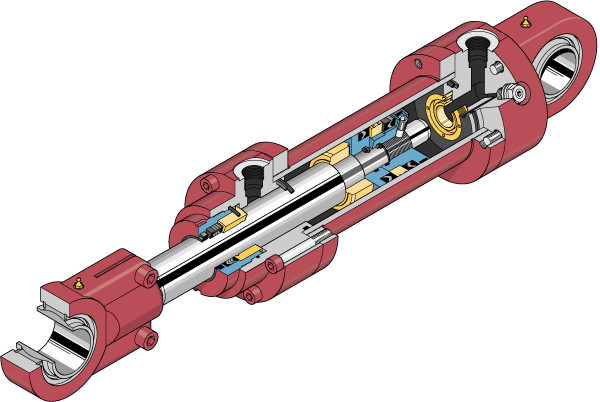
Machinery Industry: In machine tool spindles, FKM dust seals prevent cutting fluids and iron chips from invading, protecting bearing precision. In injection molding machine cylinders, they seal high-pressure hydraulic oil to ensure accurate mold clamping.
Aerospace Industry: Aerospace equipment faces harsh environments such as high-altitude low temperatures, high-speed airflows, and fuel corrosion. FKM dust seals are used in aircraft engines and hydraulic systems, withstanding wide temperature ranges and resisting erosion from aviation fuels and hydraulic oils to ensure reliable sealing.
The wide temperature range tolerance of FKM makes them particularly suitable for equipment operating in cold regions. As industrial technology advances, sealing requirements continue to rise.FKM dust seals will undergo continuous iteration and optimization, building a stronger sealing barrier for the operation of more complex and efficient equipment.
What are the factors contributing to the aging of O-ring materials?
Rubber and Plastic Seals