
Hydraulic Piston Seals vs Rod Seals: Differences
A hydraulic cylinder converts hydraulic pressure into linear motion to move or control machinery. Hydraulic cylinders use several seals to prevent leakage and maintain pressure inside the cylinder. The piston seal and rod seal are essential; however, they sit in different places in the hydraulic cylinder and handle different types of movement.
Many people assume hydraulic seals are interchangeable because they can look similar. They're not, not even close. Each seal is designed for a specific spot and job inside the cylinder.
The two seals also face different types of movement, pressure, and wear. Knowing these differences makes it easier to choose the right seal for a hydraulic cylinder and avoid common sealing problems.
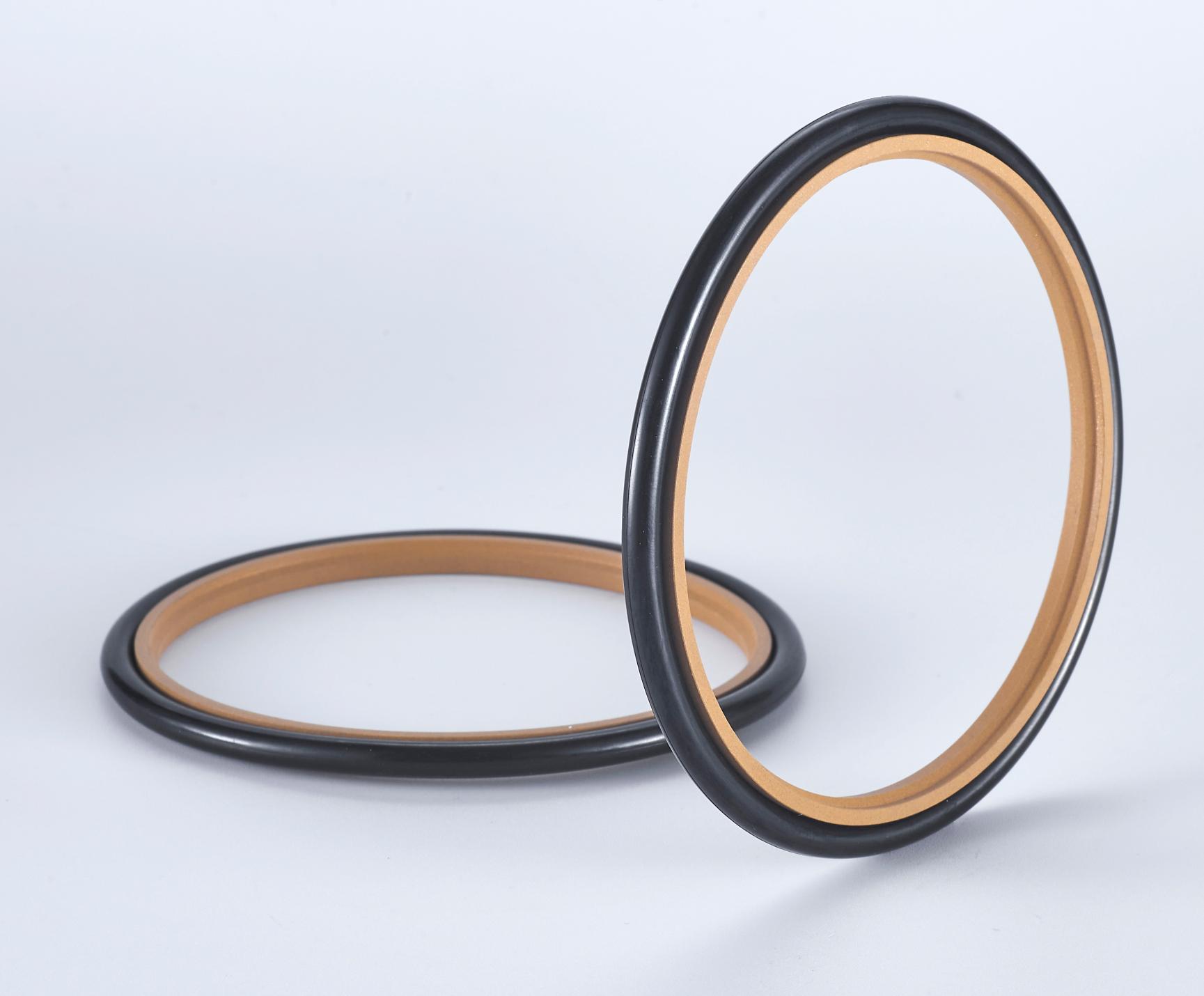
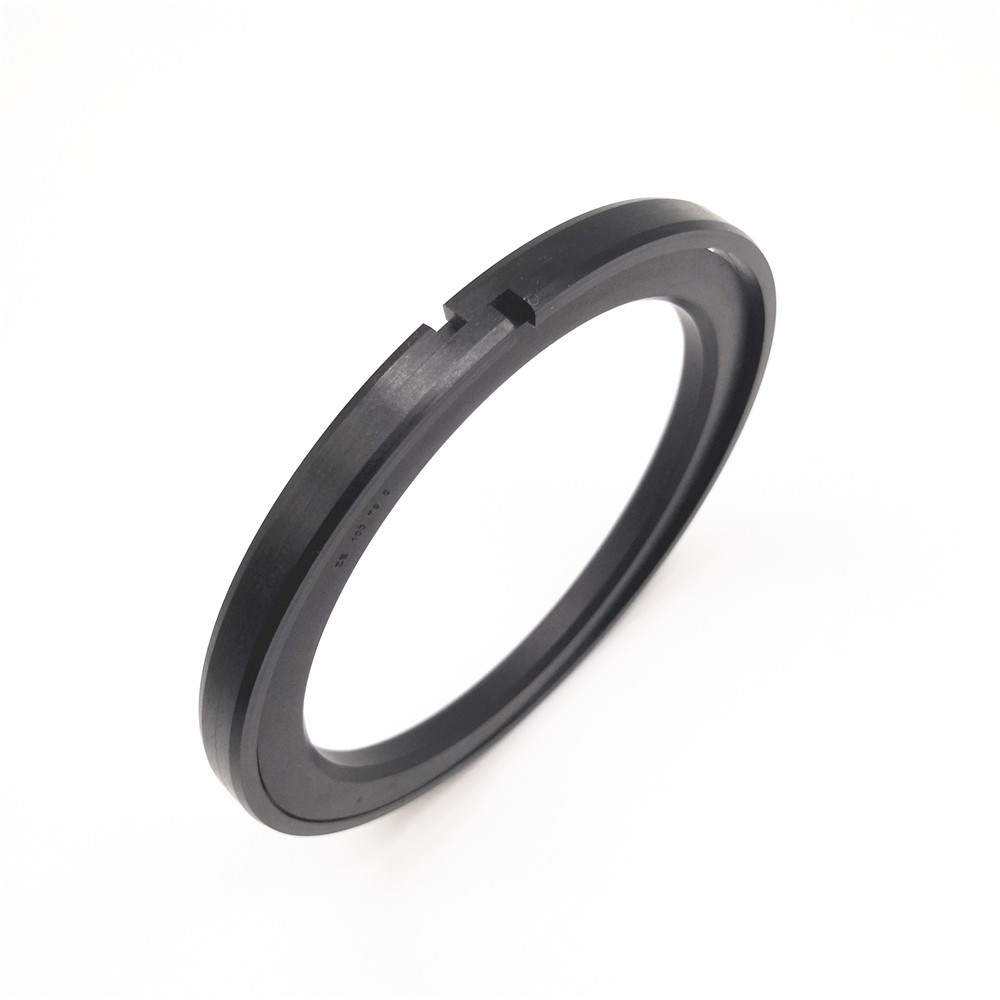
Alt text: Bronze PTFE Hydraulic Rod Seal
What Are Hydraulic Piston Seals?
Piston seals are fitted around the piston inside the cylinder barrel. Their main function is to prevent hydraulic fluid from passing across the piston face and maintain pressure on the required side of the piston.
If hydraulic pressure is exerted on one side of the piston, the seal keeps the pressure contained so the cylinder can extend and retract.
Key traits of piston seals:
- Mounted on a moving piston, not a fixed housing
- Seal against the inner wall of the cylinder bore
- Handle pressure from both directions in double-acting cylinders
- Often paired with wear rings to reduce metal-to-metal contact
Without a working piston seal, the hydraulic fluid will pass the piston. This results in slow or poor movement even when the pump is functioning properly.
What Are Hydraulic Rod Seals?
Rod seals are installed in the cylinder head/gland area. They seal the piston rod reciprocating inside the cylinder. The main function of the rod seal is to prevent hydraulic fluid escape from the cylinder.
The seal also should be able to interact with the rod in motion with minimal friction. Proper design of rod seals provides control of the leakage and smooth operation of the rod.
Key traits of rod seals:
- Mounted in a fixed housing, sealing against a moving rod
- Seal against outward fluid leakage under pressure
- Work alongside wiper seals to block outside contamination
- Exposed to rod surface finish and any external debris
A worn rod seal often shows up as a wet, oily film on the exposed rod. That is usually the first visible sign of a problem.
Key Differences Between Piston Seals and Rod Seals
|
Factor |
Piston Seals |
Rod Seals |
|
Location |
On the piston, inside the bore |
In the cylinder head, around the rod |
|
Seals against |
Cylinder bore wall |
Moving piston rod |
|
Main function |
Separates pressure chambers |
Keeps fluid inside, blocks debris |
|
Movement type |
Moves with the piston |
Stays fixed, rod moves through it |
|
Common failure sign |
Weak or slow cylinder movement |
Oil leakage along the rod |
Both seals fail for similar reasons, including wear, contamination, and incorrect material choice. But the fix location and failure symptoms differ.
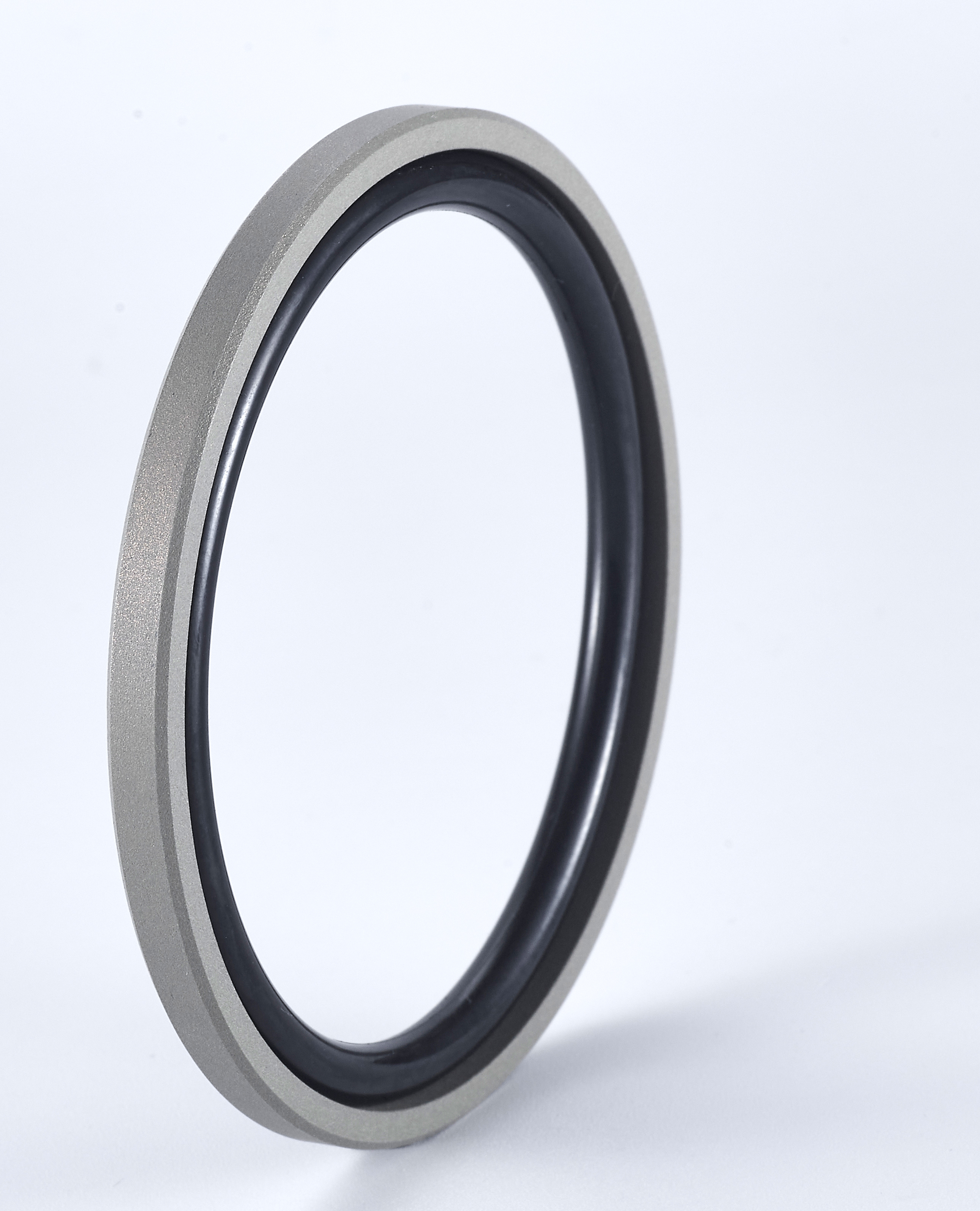
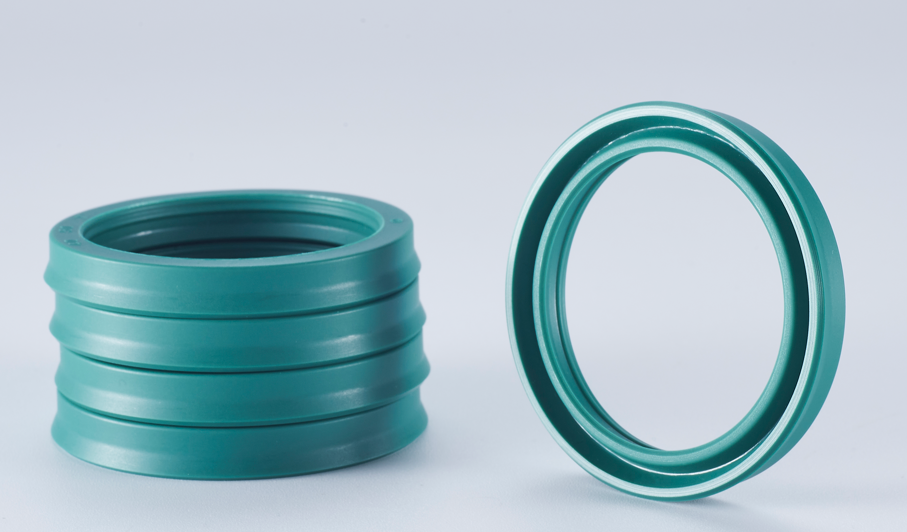
Alt text: PTFE Hydraulic pneumatic Piston Seal
Materials Used in Piston and Rod Seals
Seal material affects performance just as much as design. Buyers need to match material to pressure, temperature, and fluid type.
Common materials include:
- Polyurethane for high wear resistance and good pressure handling
- PTFE for low friction and high temperature tolerance
- NBR rubber for cost-effective, general-purpose applications
- FKM (Viton) for chemical resistance and high heat environments
Piston seals have more resilient materials because the pressure acts on both sides. For rod seals, there is usually a combination of a sealing lip and a wiper that keeps dirt away.
Pressure and Temperature Matter
Hydraulic seals work with pressure, but the exact maximum value will depend on the seal configuration, material, clearance, and cylinder design.
The temperature is important as well. The hydraulic fluid will become less viscous at high temperatures, while the material of the seal may change its properties.
DMS lists different operating ranges across its rod seal products. For example, one PTFE rod seal design is listed for -45°C to +200°C, while another is listed for -30°C to +100°C.
This shows why a seal should be selected from its actual technical data. Do not assume that every seal from the same manufacturer has the same operating range.
Signs of Piston or Rod Seal Failure
Catching seal failure early saves on repair costs and downtime. Watch for these warning signs.
Piston seal failure signs:
- Cylinder moves slower than normal under load
- Reduced force output despite normal pump pressure
- Internal bypass detected during a pressure test
Rod seal failure signs:
- Visible oil film on the exposed rod surface
- Fluid pooling near the cylinder head
- Dirt or grit buildup around the rod entry point
Recent industry information shows why identifying these problems is important. The worldwide hydraulic seals market was valued at an estimated US$5.07 billion in 2026 and is projected to reach US$6.76 billion by 2033, according to the cited market research source. The growing use of heavy machinery, particularly in the construction and mining sectors, is contributing to this market growth.
Can the Same Seal Be Used on Both the Piston and the Rod?
From a geometry standpoint, yes. The same profile, such as an O-ring or a U-cup packing, can fit both a piston housing and a rod housing. This only works if the housing dimensions are correct for each position.
A few technical points are worth qualifying here:
- Load conditions differ by position. A piston seal handles the pressure difference between chambers. A rod seal mainly retains internal pressure and blocks outside contamination.
- Some compact profiles, like certain U-seals or double-lip compact seals, are built for one position only. They are not interchangeable without checking lip direction and housing geometry.
- Using one profile for both piston and rod is common in compact or low-cost cylinder designs. It works well if the profile is sized for the toughest conditions in both positions.
The decision to use one profile for both spots should come from real operating data. Pressure, speed, temperature, and fluid all matter here, not just inventory convenience.
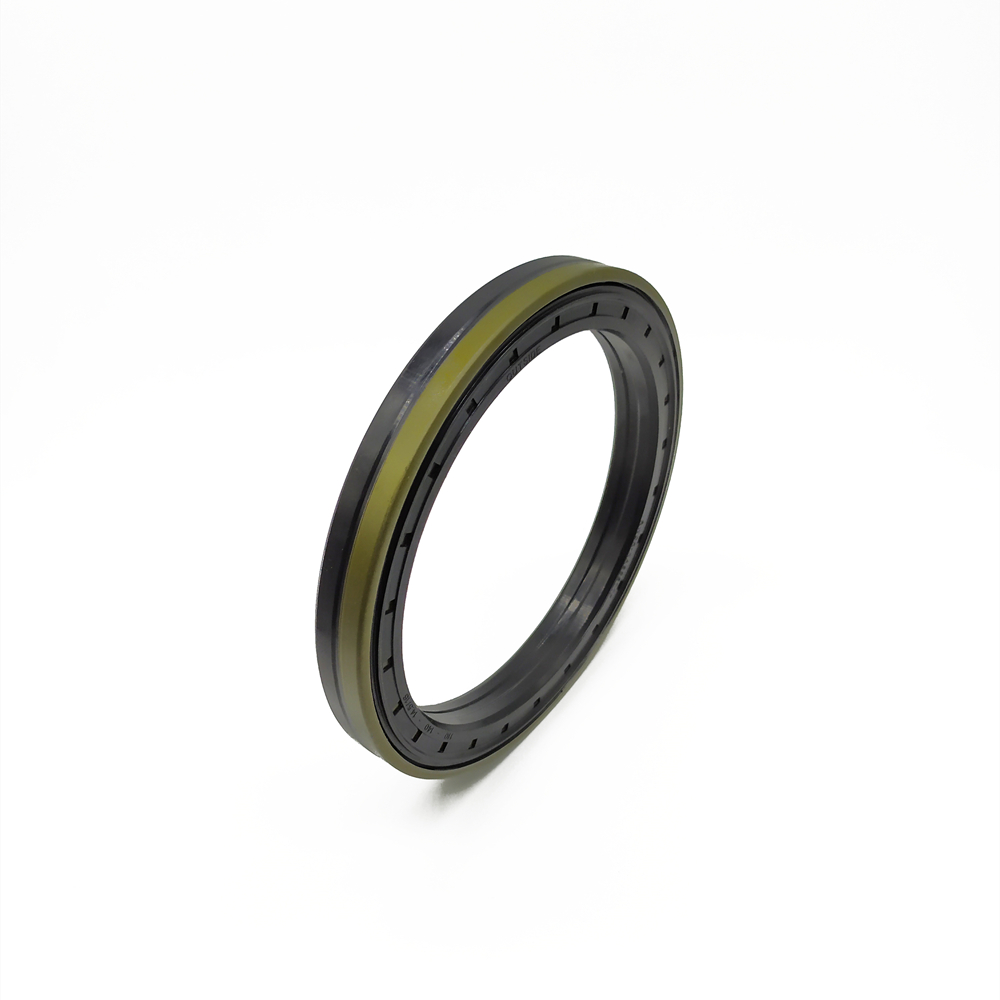
Alt text: Cassette Oil Seal High Quality Forklift
Why Rod Seal Failure Happens
Rod seals work close to the outside environment. Dirt, water, dust, and other contaminants can reach the rod.
A damaged or poorly finished rod can also damage the seal during repeated movement.
Common causes include:
- Scratched or corroded piston rods
- Incorrect seal installation
- Excessive pressure
- High temperature
- Wrong seal material
- Poor rod alignment
- Contamination
- Excessive wear
A wiper can help keep outside contaminants away from the rod seal. Guide elements can also help control rod movement and alignment.
Why Piston Seal Failure Happens
Piston seals operate inside the cylinder, so signs of seal problems can appear in different ways. Internal leakage is a common sign, while the cylinder may also lose force or slowly move when it should remain in position.
Possible causes include:
- Worn piston seal
- Damaged cylinder bore
- Incorrect seal size
- Excessive extrusion gap
- High pressure
- Wrong material
- Poor installation
- Contaminated hydraulic fluid
A piston seal should match the piston groove and cylinder bore. Even a small mismatch can affect sealing performance.
How to Choose the Right Seal for Your Application
Picking between piston and rod seals is not really a choice. Most cylinders need both, working together.
What actually needs choosing is the seal profile and material for each position. Consider these factors:
- Operating pressure and peak load conditions
- Fluid type, including mineral oil, water-glycol, or synthetic fluid
- Ambient temperature range at the equipment's operating site
- Rod surface finish, since a rough rod wears seals faster
- Contamination risk from dust, dirt, or outdoor exposure
Matching these details to the right seal profile extends service life. Guessing on material or size often leads to early failure and repeat downtime.
Where DMS Seals Fits In
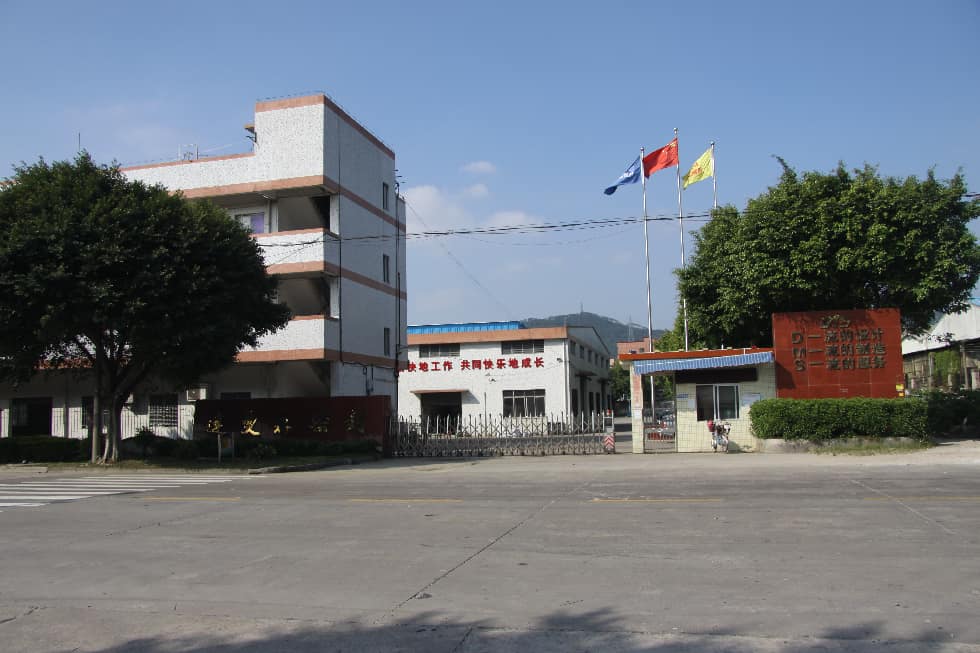
DMS Seals has been making industrial sealing products since 2008. The company supplies hydraulic seals, piston seals, rod seals, and custom O-rings for different types of machinery.
Its product range includes standard sizes and custom seal profiles. This gives buyers more options when a standard seal does not fit their cylinder. Custom sizes can also help reduce delays when a specific seal is difficult to source.
DMS Seals offers dedicated product lines for both seal types:
- Rod seals built for reliable fluid retention and contamination protection
- Piston seals designed for consistent pressure separation under load
Buyers can also explore the full DMS Seals product range for related sealing components, including wiper seals and custom O-rings.
Frequently Asked Questions
Can a piston seal and rod seal be the same part?
No. They are not the same component. These two seals have different locations and functions within the cylinder. The seal of the piston is referred to as the piston seal while that of the piston rod is known as the rod seal.
How often should hydraulic seals be replaced?
This depends on operating conditions, but visible leaks or slow cylinder movement mean it is time for an inspection.
What causes most rod seal failures?
Contamination and a damaged or scored rod surface cause most rod seal failures.
Do piston seals wear out faster than rod seals?
Not always. Piston seals handle two-directional pressure, while rod seals face more outside contamination, so wear patterns differ by application.
Can I use the same material for both seal types?
Sometimes, matching material to each seal's specific load and exposure conditions gives better results.
Get the Right Seals for Your Equipment
The main difference between the piston seal and rod seal is the purpose of their work in the hydraulic cylinder. The piston seal helps to maintain the pressure of the fluid around the piston, whereas the rod seal prevents fluid leakage through the moving rod.
Choosing the right seal requires considering the cylinder’s size, pressure, temperature, speed, fluid, and other operating conditions. A seal that does not match these requirements can affect the cylinder’s performance and service life.
DMS Seals supplies both standard and custom hydraulic sealing solutions designed for specific operating conditions.
Contact DMS Seals today to get the right piston and rod seal specifications for your hydraulic system.
Title:
Hydraulic Piston Seals vs Rod Seals: Key Differences
Meta Description:
Learn how piston seals and rod seals work, where they are used, and how to choose the right seal for a hydraulic cylinder.
High Quality at Low Cost — DMS Redefines China’s Sealing Industry