
Difference Between KDAS and DPM in Hydraulic Five-Combination Seals
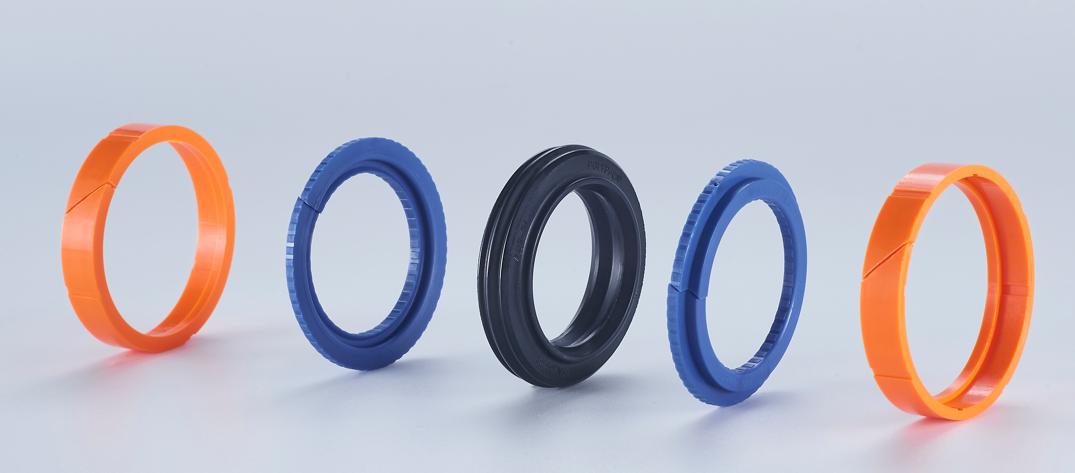
Hydraulic five-combination seals are commonly used for piston sealing in hydraulic cylinders. They typically consist of the following five components:
One elastic rubber main sealing ring (usually made of NBR or FKM)
Two back-up rings
Two guide rings or retaining rings
Within this type of seal structure, KDAS and DPM refer to two different types or standards. The main differences lie in their design, material composition, and application performance.
Structure Features:
A classic five-piece combination seal
Contains a rubber sealing ring in the middle, with two guide rings (usually made of POM) on either side, along with two back-up rings
The back-up rings prevent rubber extrusion under high pressure, and the guide rings provide alignment and structural support
Typical Applications:
Medium to high-pressure hydraulic systems
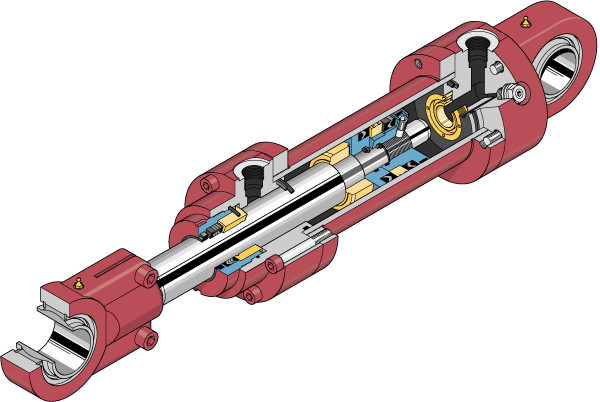
Commonly used for piston sealing in single or double-acting cylinders
Suitable for heavy-load and repetitive motion environments
Advantages:
Easy to install
Stable sealing performance, high-pressure resistance, strong anti-extrusion capacity
DPM Seal
Structure Features:
Also typically a five-piece combination, but the design differs slightly from KDAS
"DPM" is often a model name used by specific manufacturers (e.g., DMS )
The seal structure may be more compact, with variations in the material and dimensions of the guide and back-up rings
Two back-up rings are made of TPU, have black or blue colour
Two guide rings are made of POM, usually be white or orange
One elastomer is made of NBR 80 A usually,
Typical Applications:
Suitable for more specific or demanding conditions (e.g., high-frequency reciprocating motion or ultra-high-pressure systems)
Some DPM versions are capable of bi-directional sealing (for double-acting cylinders)
A typical application is the lifting cylinder for the truck's cargo tailgate
Advantages:
Customizable geometries for different installation needs (e.g., shallow grooves)
Better suited for space-constrained or high-pressure, high-speed environments
Current Status and Technological Innovation Trends of the Global Rotary Oil Seal Market
The application of SPGW combined sealing