
Five-Step Method for Seal Selection Pressure-Temperature-Medium-Structure
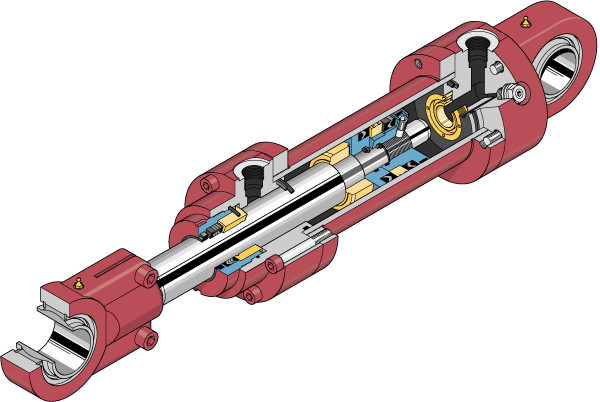
Seals are core wearing parts of hydraulic and construction machinery. Improper selection easily leads to leakage, aging and premature failure. Adopting the five-step selection method covering pressure, temperature, medium, structure and working conditions enables efficient matching of suitable seals.
Step 1: Sort out four core working condition parameters (primary prerequisite for selection)
Pressure: Differentiate static sealing, reciprocating motion and rotary motion; record normal operating pressure, peak pressure and pressure pulsation. For high-pressure conditions (>40 MPa), back-up rings must be installed to prevent seal extrusion and deformation.
Temperature: Specify continuous operating temperature and instantaneous maximum/minimum temperature; the temperature range directly determines the applicable material.
Medium: Hydraulic oil, acid and alkali solutions, steam, organic solvents, food and pharmaceutical liquids. Medium compatibility is the decisive factor for material selection.
Motion type: Static sealing, cylinder reciprocating sealing and shaft rotary sealing, each corresponding to distinct seal structures.
Step 2: Select seal structure by application scenario
Conventional low-pressure static and valve block sealing: O-rings fitted with PTFE back-up rings for high-pressure service.
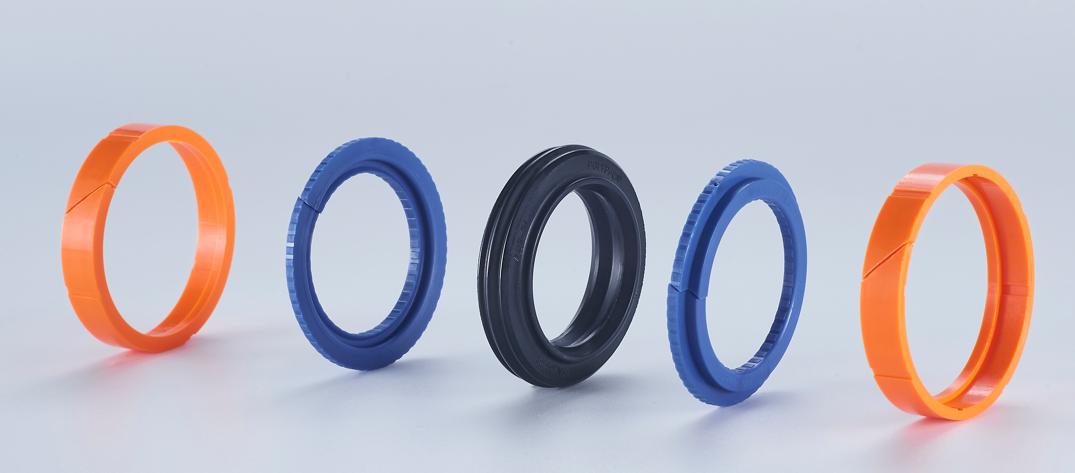
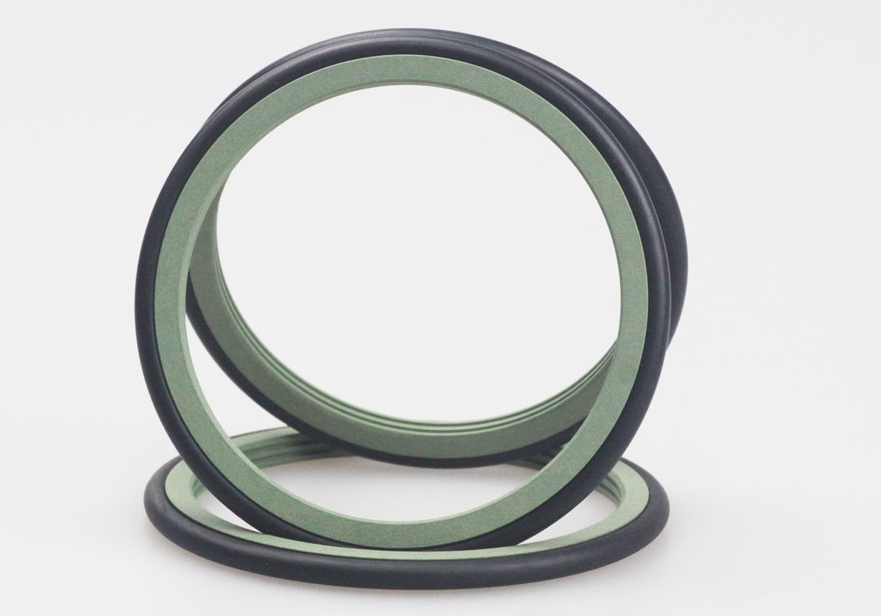
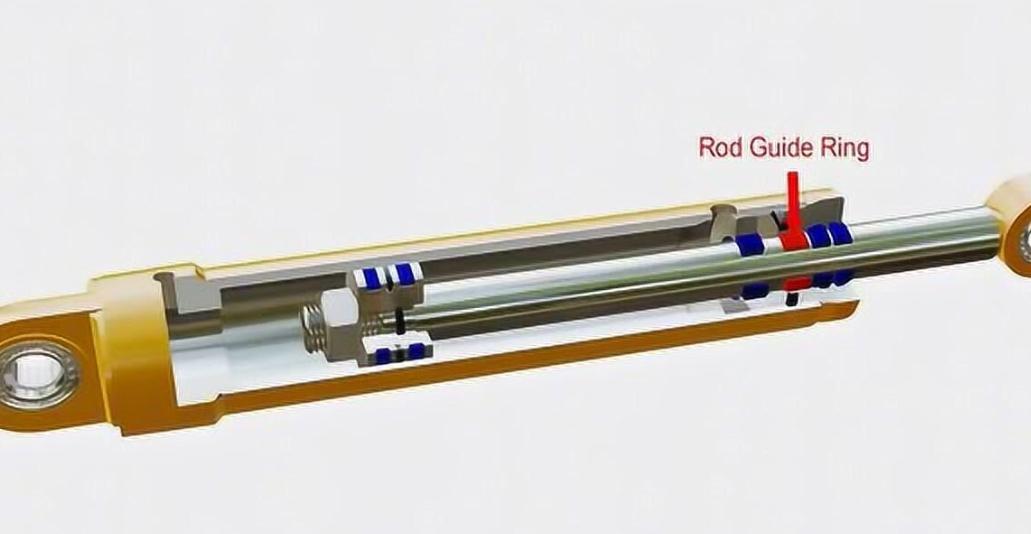
Hydraulic cylinder piston and rod sealing: Y-rings, U-rings, Gley rings and Step seals.
Rotary sealing for pump and motor shafts: TC oil seals; double-lip oil seals for construction machinery operating in dusty environments.
Severe corrosion, cryogenic, high-temperature and vacuum applications: Spring energized seals. UPE and PCTFE for low-temperature service; PEEK for high-temperature service.
Step 3: Groove dimension design, a commonly overlooked critical point
90% of leakages in newly installed seals stem from non-standard groove dimensions.
Grooves for O-rings, Gley rings and spring energized seals shall comply strictly with national standard GB/T3452 and international AS‑568 standards.
Control seal compression rate: 15–25% for static seals and 9–15% for dynamic seals. Excessive compression accelerates aging.
Ensure qualified surface roughness and hardness of mating shafts with a minimum shaft hardness of HRC 55–60.
Step 4: Special compliance requirements for different industries
Materials for food and pharmaceutical equipment seals must pass FDA food contact certification.
Seals for the semiconductor industry require ultra-high cleanliness with ppb-level low ion elution.
Step 5: Sample testing and working condition verification for final confirmation
Custom seals shall first undergo immersion, high-temperature aging, pressure resistance and wear resistance tests, simulating actual equipment operating conditions for validation.
Types and Applications of Shaft Seals
Seal Selection Guidelines for Oil-Free Dry Friction Service