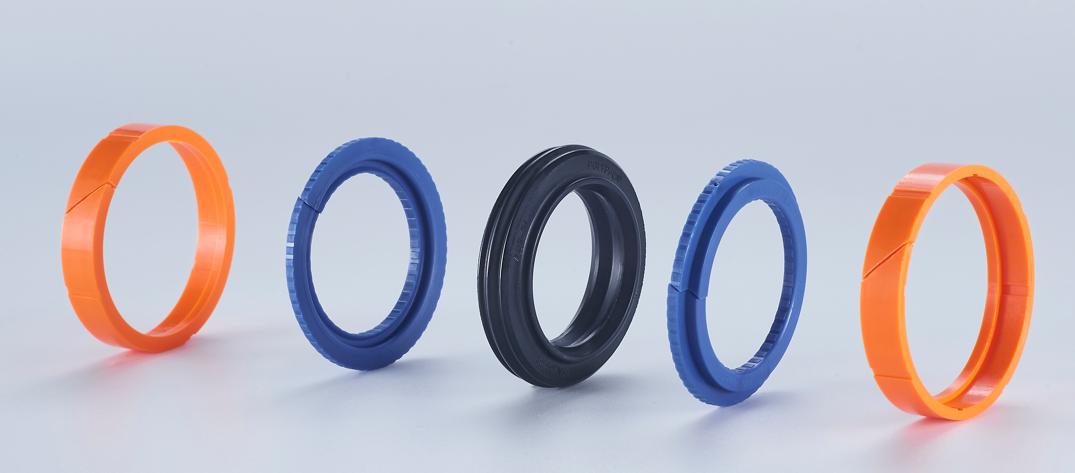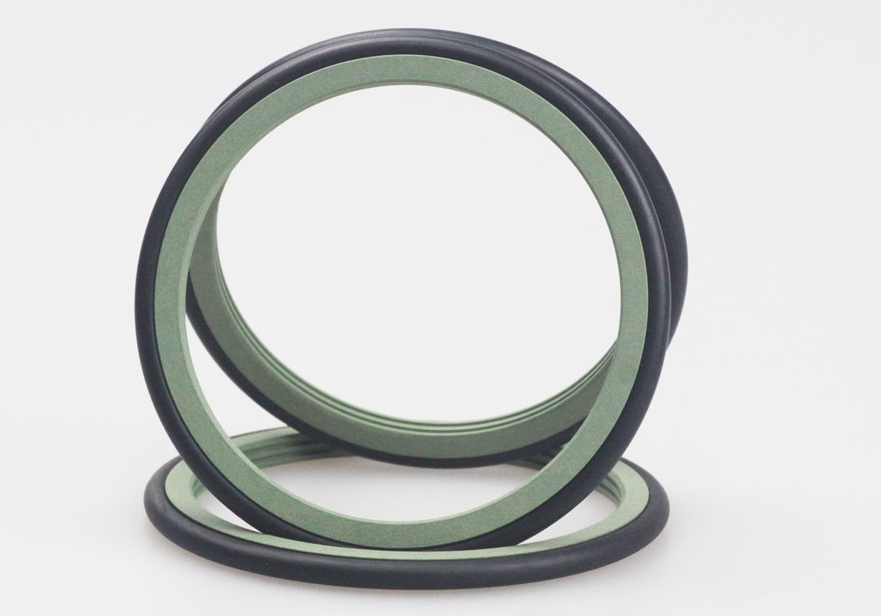

The spring-driven sealing device in the lens of the laser cutting machine
The application of Spring-Energized Seal in the lens of the laser cutting machine is mainly aimed at addressing key issues such as high-precision motion, dust prevention, sealing of lubricants, and anti-pollution. The following is a detailed analysis of the application and the technical points:
1. Characteristics and Advantages of Panslide Seal
The Panslide Seal is a dynamic sealing component composed of a metal spring (typically made of stainless steel or special alloys) and a high-performance polymer (such as PTFE, PEEK, etc.). Its key advantages include:
- Low Friction: The PTFE material has an extremely low friction coefficient, making it suitable for high-speed moving parts.
- High Wear Resistance: The spring continuously provides radial pressure to compensate for wear and extend the lifespan.
- Temperature Resistance: It can withstand temperatures ranging from -200°C to +260°C (depending on the material combination), suitable for high-temperature environments during laser cutting.
- Anti-Pollution: It effectively prevents cutting dust and metal debris from entering the lens or guide rail.
The Panslide Seal is a dynamic sealing component composed of a metal spring (typically made of stainless steel or special alloys) and a high-performance polymer (such as PTFE, PEEK, etc.). Its key advantages include:
- Low Friction: The PTFE material has an extremely low friction coefficient, making it suitable for high-speed moving parts.
- High Wear Resistance: The spring continuously provides radial pressure to compensate for wear and extend the lifespan.
- Temperature Resistance: It can withstand temperatures ranging from -200°C to +260°C (depending on the material combination), suitable for high-temperature environments during laser cutting.
- Anti-Pollution: It effectively prevents cutting dust and metal debris from entering the lens or guide rail.
2. Sealing Requirements for Laser Cutting Machine Lenses
The optical lenses of laser cutting machines (such as focusing lenses and protective lenses) have extremely high cleanliness requirements. The sealing must meet the following conditions:
- Dynamic Sealing: The lens adjustment mechanism needs to move frequently (such as the automatic focusing system).
- Dust and Slag Prevention: Metal dust and slag generated during cutting may adhere to the lenses, affecting the quality of the light beam.
- Lubrication Maintenance: The sealing grease (such as silicone grease) must not leak for a long time.
- Resistance to Laser Radiation: The sealing material must resist the scattering of laser or the influence of heat radiation.
The optical lenses of laser cutting machines (such as focusing lenses and protective lenses) have extremely high cleanliness requirements. The sealing must meet the following conditions:
- Dynamic Sealing: The lens adjustment mechanism needs to move frequently (such as the automatic focusing system).
- Dust and Slag Prevention: Metal dust and slag generated during cutting may adhere to the lenses, affecting the quality of the light beam.
- Lubrication Maintenance: The sealing grease (such as silicone grease) must not leak for a long time.
- Resistance to Laser Radiation: The sealing material must resist the scattering of laser or the influence of heat radiation.
3. Selection and Design Considerations
- Material Selection:
- Spring: Stainless steel (standard) or nickel-titanium alloy (for high elasticity requirements).
- Sealing Lip**: PTFE (general-purpose), PEEK (high-temperature and high-pressure), filled graphite (anti-laser radiation).
- Structural Design:
- Single Lip/Dual Lip: The dual-lip design can provide protection on both sides (e.g., both the front and back of the lens need to be protected).
- Pre-tension Force: The spring pressure needs to be adjusted according to the movement speed to avoid excessive resistance.
- Material Selection:
- Spring: Stainless steel (standard) or nickel-titanium alloy (for high elasticity requirements).
- Sealing Lip**: PTFE (general-purpose), PEEK (high-temperature and high-pressure), filled graphite (anti-laser radiation).
- Structural Design:
- Single Lip/Dual Lip: The dual-lip design can provide protection on both sides (e.g., both the front and back of the lens need to be protected).
- Pre-tension Force: The spring pressure needs to be adjusted according to the movement speed to avoid excessive resistance.
By selecting the appropriate type of universal seal, the sealing reliability of the lens of the laser cutting machine can be significantly improved, and the frequency of downtime and maintenance can be reduced. It is suitable for high-power fiber laser cutting machines or precision processing equipment. If further parameters (such as size, pressure range) are needed, specific working conditions can be provided for further analysis.
Release time: 2026-01-29
Why can't PTFE be molded through injection?
Burning Passion Under the Glow, Striving for the Light as One DMS SEALS 2025 Team Building Highlights
Related blog