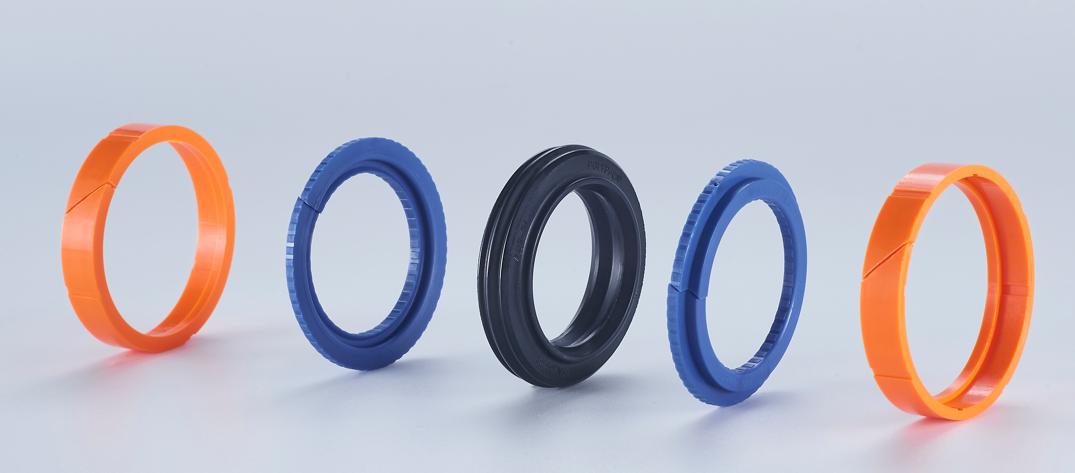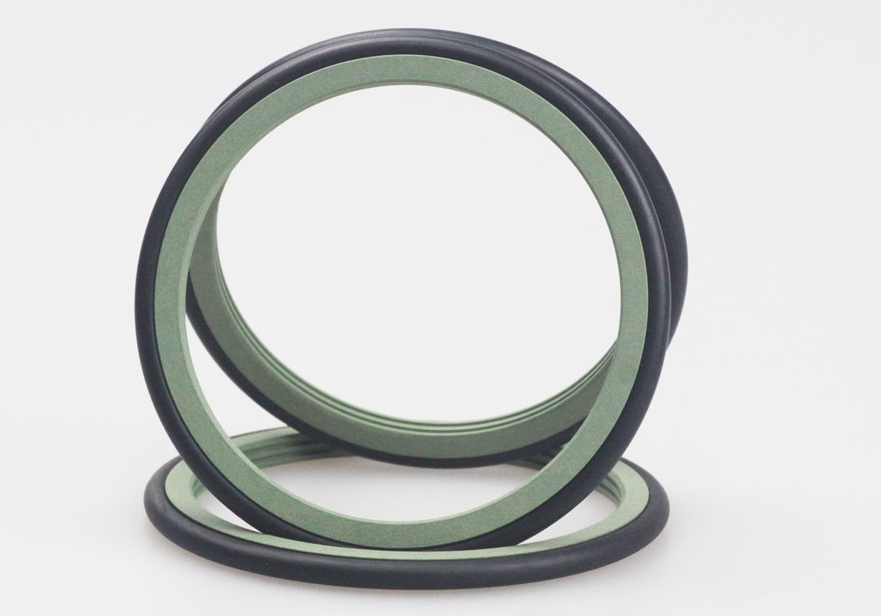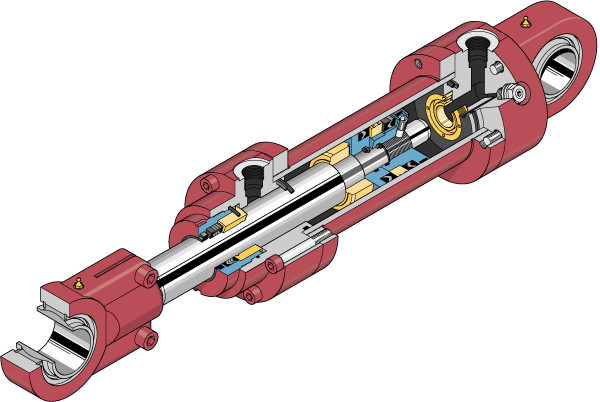

Analysis of Oil Seal Failure
- Six Common Causes of Oil Seal Failure
1,Lip wear and eccentric wear
Insufficient lubrication, contaminated oil, rough shaft surface with burrs, excessive shaft radial runout, abrasive wear caused by dust and impurities.,
2,Rubber aging, cracking / swelling
Material incompatibility with medium or oil temperature; long-term high-temperature aging, chemical corrosion, ozone oxidation leading to loss of elasticity。
3,Skeleton deformation, seal tilting or dislodgement
Forcible hammering during installation, excessive housing bore tolerance, no chamfer at shaft end, severe equipment vibration and impact.
4,Spring relaxation, detachment or rusting
Spring fatigue, corrosion/rusting, misalignment during installation; insufficient sealing preload resulting in oil leakage.,
5,Lip tearing, reversed or flipped installation
Incorrect installation direction, sharp edges of shaft shoulders/keyways causing scratches, forced pressing without lubrication; leakage immediately after installation.
6,High-temperature burning and carbonization
Dry friction due to lack of oil, over-speed/over-temperature operation, poor heat dissipation in the seal cavity; lip becomes brittle and fails.
II. Four-Step On-Site Quick Inspection Method
1,Visual check: Inspect condition of lip, skeleton and spring to quickly determine failure type.
2,Operating condition verification: Check temperature, medium, speed and pressure; confirm whether seal material and model are suitable.
3,Precision check: Measure shaft surface roughness, radial runout, housing bore concentricity and fit clearance.,
4,Installation check: Verify installation direction, use of special tooling, no hammering damage, and whether lip is scratched.
III. Targeted Quick Solutions
Wear/eccentric wear: Replace with clean oil, repair shaft surface, correct concentricity, improve dust protection.
Aging/swelling: Replace with suitable material (NBR/FKM etc.) according to working conditions.
Skeleton deformation: Use special tools for press-fit installation, repair housing bore, chamfer and deburr shaft end.
Spring failure: Replace with matching spring, install securely.
Lip damage: Correct installation direction, apply grease before assembly, protect sharp edges.
High-temperature burning: Ensure adequate lubrication, select high-temperature-resistant seals, improve cavity heat dissipation.
IV. Core Tips for Extending Seal Service Life
Select correct model and material; follow standard installation procedures.
Maintain clean lubrication; strictly control shaft runout accuracy.
Shaft Seal Basics: How It Works
PTFE Material Introduction (Pure vs Filled)