
Seal Selection Guidelines for Oil-Free Dry Friction Service
Conventional rubber O-rings are not suitable for long-term dry friction under oil-free running conditions. Without an oil lubricating film in dry friction environments, seals are prone to wear under high temperatures and premature hardening failure. Material selection shall focus on three core requirements: low friction, self-lubricating property, wear and heat resistance.
1. Recommended Materials
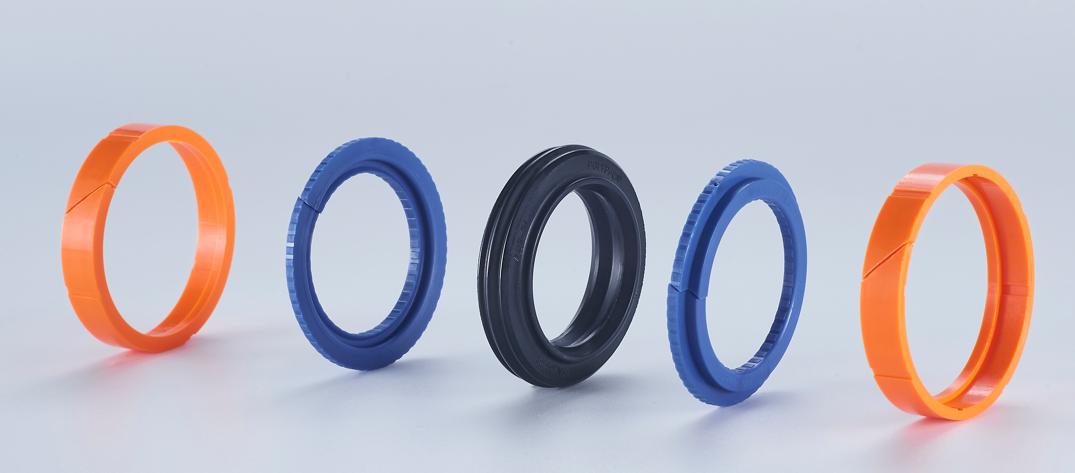
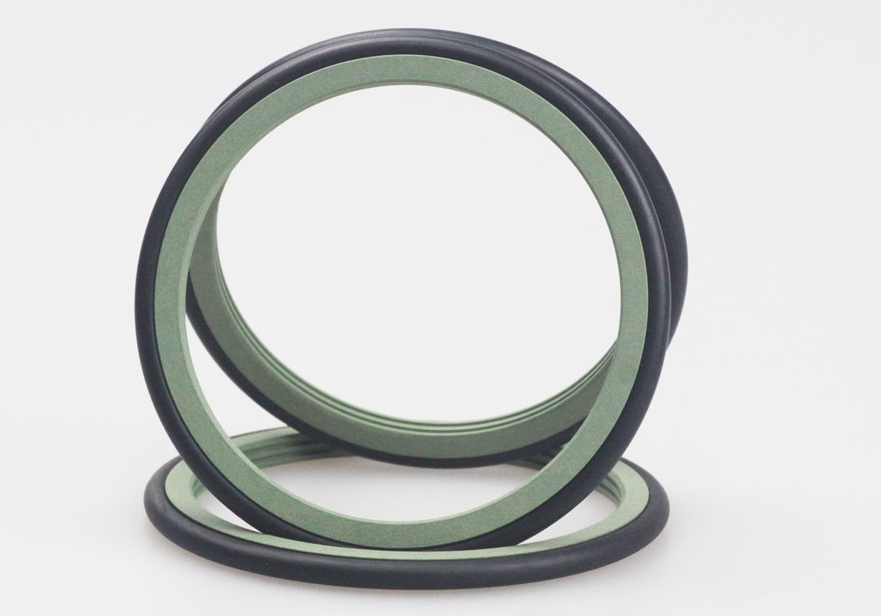
Filled PTFE (molybdenum disulfide / graphite filled): Self-lubricating with low friction coefficient. Ideal for long-term high-speed dry friction, clean and gaseous working conditions. Typical structures include spring energized seals, Step seals and Gley rings.
Special wear-resistant PU: Applicable to medium-low speed heavy-load reciprocating dry friction.
2. Critical Design Specifications
Adopt elastic energizing compensation structures to make up for insufficient elasticity of PTFE and maintain consistent contact with the shaft surface.
Optimize compression ratio, precision-machined grooves, polished shaft surfaces and dust-proof protection to reduce frictional heat and abrasive wear.
Double-lip oil seals are not recommended for pure dry friction applications, as multiple lips will drastically raise frictional temperature.
Avoid designs with excessive compression; the compression ratio for dynamic seals shall be controlled between 9% and 12% to cut frictional heat generation.
3. Summary
Filled PTFE spring energized seals are the top choice for continuous long-term dry friction. Special dry-friction PU seals are preferred for medium-low speed heavy-load operating scenarios.
Five-Step Method for Seal Selection Pressure-Temperature-Medium-Structure
The specific application of the mechanical engineering sealing product SPGW