
Shaft Seal Basics: How It Works
Shaft seal is a friction seal or stuffing box used to prevent liquid leakage between the shaft and bearing of a compressor or other fluid conveying equipment. It is also a sealing device installed to prevent leakage between the pump shaft and the housing. Common shaft seal types include packing seal, mechanical seal and dynamic seal.
Shaft seal classification:
1. Packing seal has a simple structure, low price and convenient maintenance. However, it has a large leakage and high power loss. Therefore, packing seal is used to convey general media, such as water; it is generally not suitable for petroleum and chemical media, especially not for precious, explosive and toxic media.
2. Mechanical seal (also known as end face seal) has a good sealing effect, very small leakage, and long service life, but it is expensive and has higher requirements for processing, installation, maintenance and repair than general seal.
Mechanical seal is suitable for conveying petroleum and chemical media and can be used for various media with different viscosities, strong corrosiveness and particulates. American Petroleum Institute standard API 610 (8th edition) stipulates that unless otherwise specified by the user, a cartridge mechanical seal should be equipped.
- Dynamic seal can be divided into two categories: back vane seal and auxiliary impeller seal. When the pump is working, the centrifugal force of the back vanes (or auxiliary impeller) reduces the medium pressure at the shaft seal to normal or negative pressure, preventing leakage during operation.
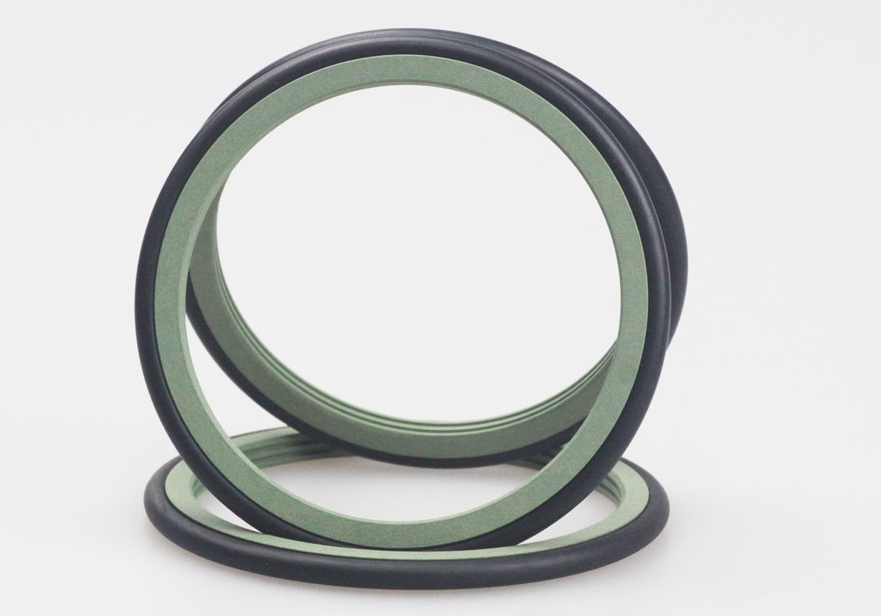
How do Glyd rings achieve low friction?
Analysis of Oil Seal Failure